


Caregiver Burnout
What is it
Caregiver burnout happens when someone who is looking after a loved one with an illness, disability, or special needs becomes physically, emotionally, and mentally worn out from ongoing stress.
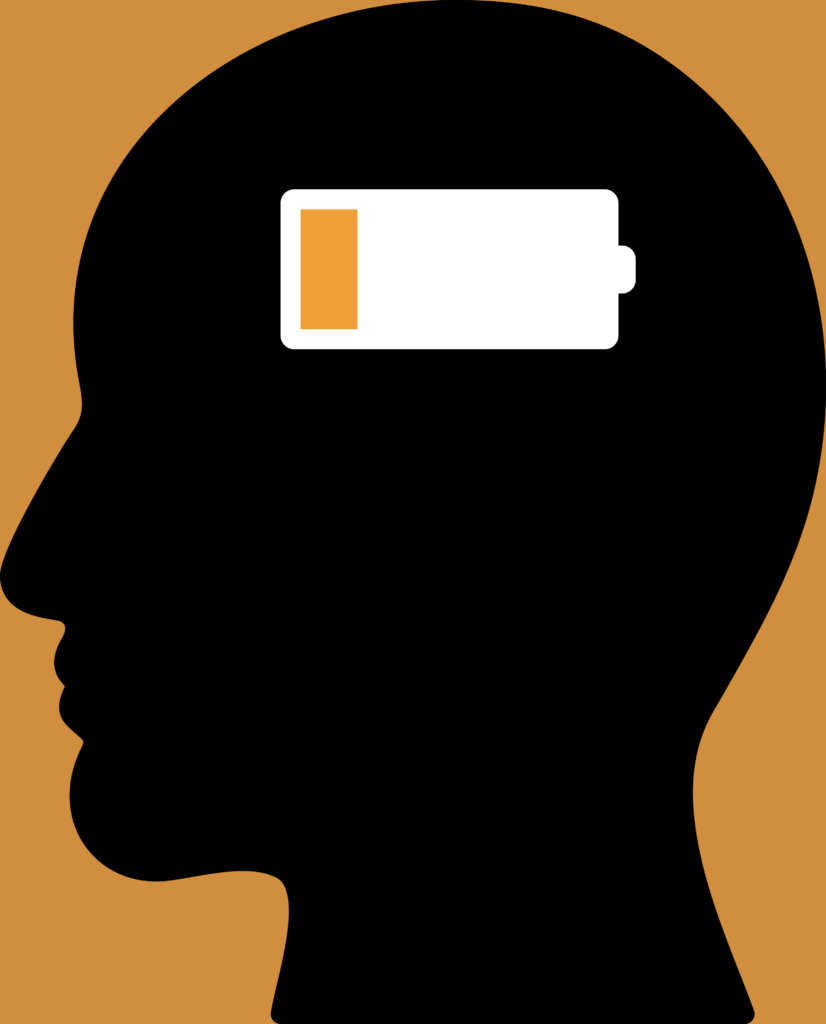
When Caregiving Takes Its Toll

Emotional Exhaustion
feeling so stressed and tired that it’s hard to keep taking care of someone
Depersonalization
starting to feel disconnected from the person you’re caring for, like you’re shutting down emotionally.
Reduced Personal Accomplishment
feeling like you’re not making a difference, losing motivation, or no longer finding meaning in helping out.
Signs and Symptoms
- Feeling emotionally drained
- Persistent stress or anxiety
- Irritability and frustration
- Feeling overwhelmed
- Hopelessness or helplessness
- Depression or low mood
- Difficulty concentrating
- Negative thoughts about caregiving
- Feeling unable to cope
- Reduced motivation
- Withdrawing from others
- Becoming detached from the care recipient
- Reduced patience
- Increased conflict with family members
- Fatigue and exhaustion
- Sleep disturbances
- Headaches or body aches
- Increased susceptibility to illness due to chronic stress
Self–Care
- Prioritize sleep, nutrition, and exercise
- Maintain personal hobbies and interests
- Schedule regular breaks from caregiving
Social Support
- Seek support from family and friends
- Join caregiver support groups
- Access community resources
Healthy Coping Skills
- Mindfulness or relaxation exercises
- Problem-solving strategies
- Setting realistic expectations
Strategie

Support

Professional Support
- Counselling
- Caregiver Support Groups
- Respite Care Services
Relationship-Focused Strategies
- Improve communication dependent
- Maintain positive interactions
- Focus on meaningful moments in the relationship
Care Plan